Learning about the five senses is a classic preschool and kindergarten unit. Yes, it’s fun to watch students taste something super sour or take a listening walk around the school, but why do we teach the five senses? Here’s everything you need to know to teach the five senses, plus engaging activities to do so.
Jump to:
What are the five senses?
The five senses are the primary ways that humans experience the world around them.
- Sight: how we see light and color
- Sound: how we hear frequencies of sound
- Taste: how we taste sweet, salty, sour, bitter, and umami
- Smell: how we identify chemicals in the air and flavors of food
- Touch: our skin identifies pressure, vibrations, and other types of contact
Why do students need to learn about the five senses?
When we teach students about the five senses, we teach them about their bodies and how they experience the world around them. And that’s just the beginning. The five senses are foundational, and spending time examining, experimenting, and understanding the five senses helps students:
- Focus on one thing at a time: When we ask students to just taste or just listen, they are training themselves to focus and attend.
- Learn the scientific method: The process of asking questions and experimenting to learn more about the five senses is often students’ first opportunity to put the scientific method into action.
- Learn how humans take in information from the environment: Kids are learning how the five senses work, and an important part of that is how we take in information and use it. Students will use their five senses throughout school and their lives to understand the world around them.
- Connect with other ideas: Talking about senses also exposes students to vocabulary and concepts that they’ll use in other areas. For example, talking about differences between tastes or opposites like loud and quiet.
Activities To Teach the Five Senses
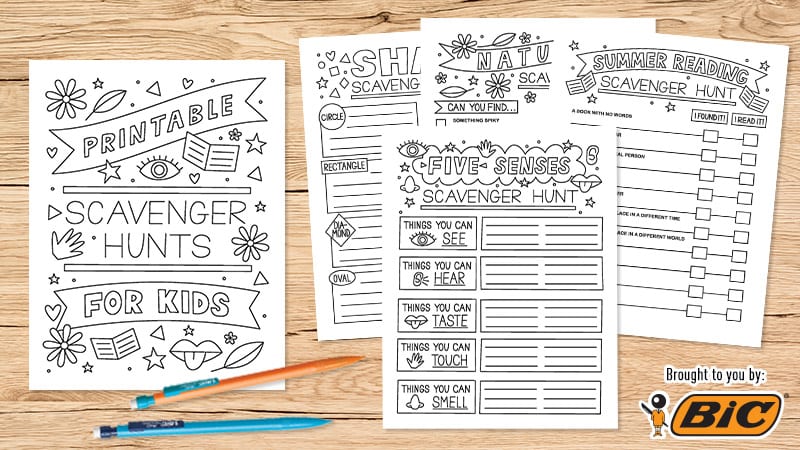
1. Head out for a five senses scavenger hunt
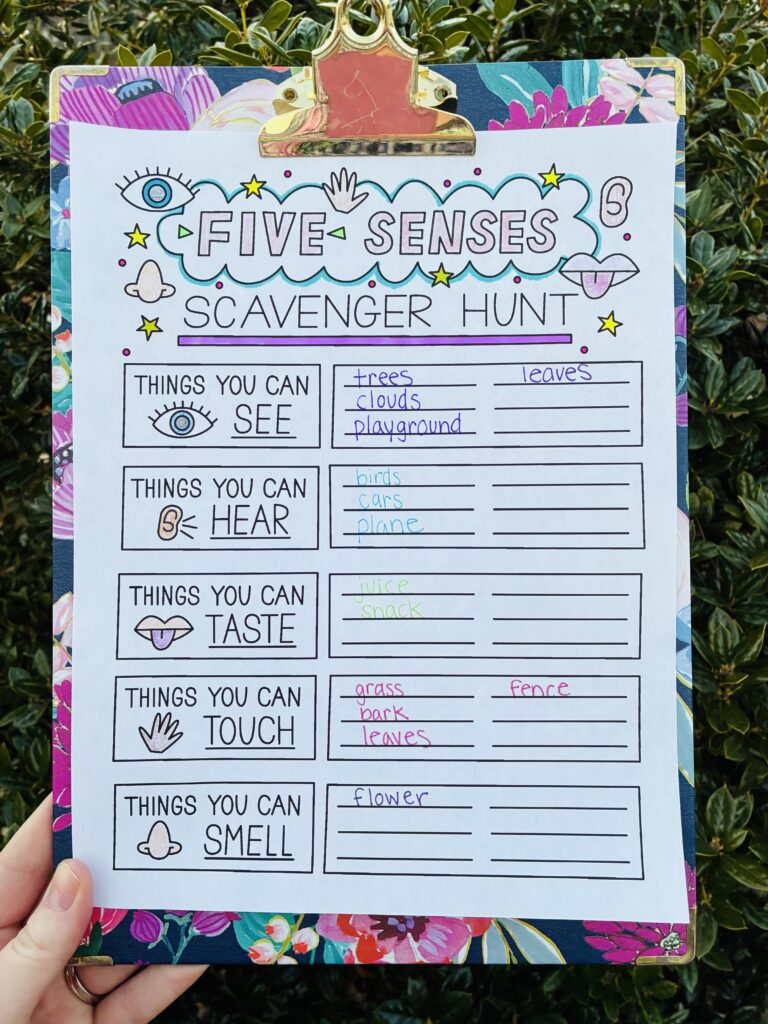
A nature walk is one of the best ways to engage all five senses and introduce the concept to kids. Give them a list of things to see, hear, smell, and taste. Try it in different seasons for a new adventure each time.
2. Hang a five senses anchor chart
Create an anchor chart with a drawing of a boy or girl. Fill it in as you discuss each of the senses and the body parts related to them. For example, “I taste with my __________,” “I smell with my________,” etc. Laminate your anchor charts so you can reuse them from year to year.
3. Make Oobleck
Create Oobleck with corn starch, water, and food coloring and see what words you can use to describe how it feels to touch, to drop, and to smush in your hands.
Learn more: How To Make Oobleck
4. Play a game with Mr. Potato Head
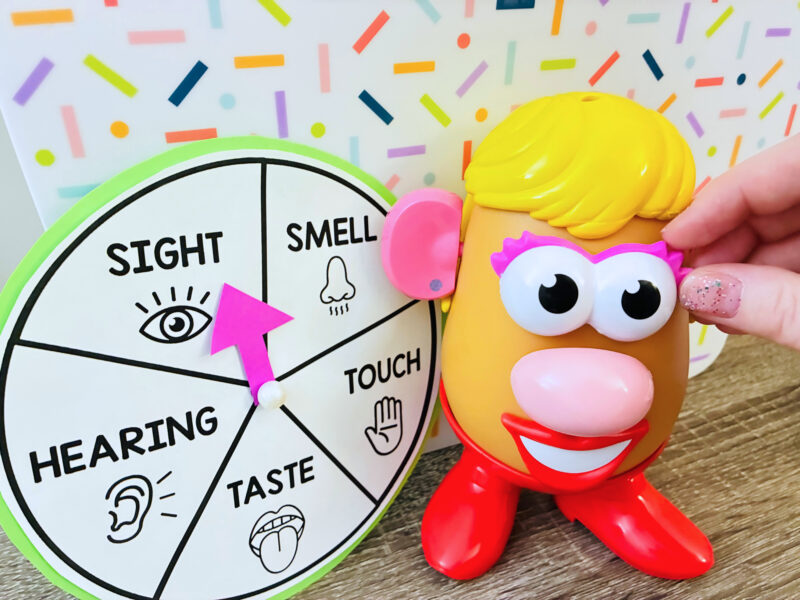
Mr. Potato Head is a perfect toy for teaching little ones about the five senses. Make a 5-Sense Spinner using a circle of card stock, a brad, and an arrow cut from card stock. Divide the spinner into sections labeled Taste, Touch, Smell, Sight, and Hearing. Have students take turns spinning the arrow and adding whatever piece comes up to their Mr. Potato Head. Or have two students race to see who can fill in their Mr. Potato Head first.
5. Make a set of body part puppets
Create and copy worksheets with drawings of the five senses body parts (eyes, ears, nose, mouth, hands). Hand them out and have students cut out the body parts and glue each one of them onto a large craft stick. You can use your body parts puppets in a variety of ways, like playing a game of Simon Says. Pass them out randomly and have students find the students with matching puppets. Match them with the written words.
6. Sort objects according to senses
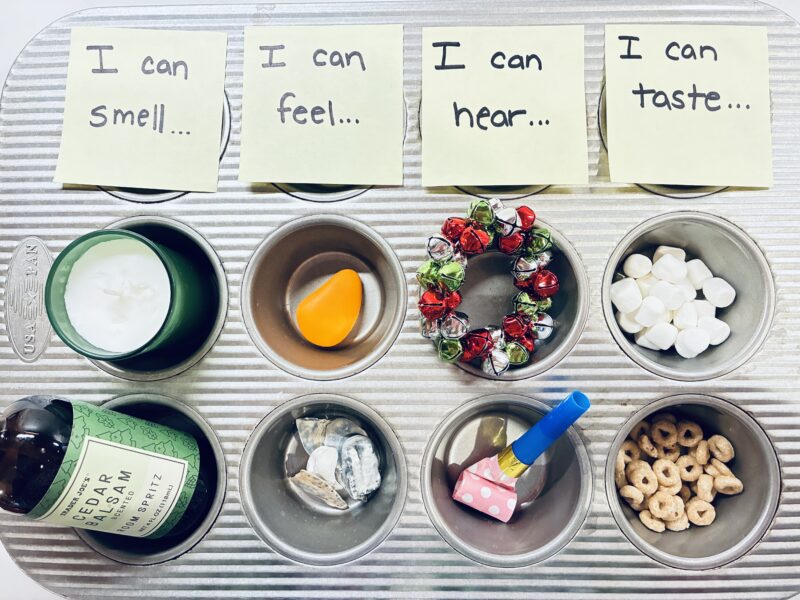
Sorting games are always fun for kids, and they help kids build working memory. Label five cups of a muffin tin “I can hear,” “I can touch,” “I can smell,” “I can see,” and “I can taste.” Then fill the last cup with small items to be sorted such as a mini marshmallow, a toy whistle, an emery board, a pom-pom, etc. Try the same activity using Hula-Hoops for sorting larger items.
7. Set up five senses stations
Have a designated place in your classroom to house five senses activities. For instance, a bookshelf with five different large bins or baskets works well. Inside each container include objects and activities that allow kids to explore each of the senses on their own. For example, in the “touch” bin, include items that have different textures and consistencies, like sandpaper, yarn, play dough, steel wool, etc. Do the same with the other four sense bins.
8. Use all your senses to explore popcorn

Popcorn is a terrific food for senses activities, especially if you can use an air popper to make it fresh. Kids will see the popcorn kernels, listen to it popping, smell it as it cooks, and taste it and touch it when it’s all done!
9. Or try Pop Rocks instead
If you’re feeling a little more adventurous, tear open a few bags of Pop Rocks candy and use your senses to experience them to the fullest. Kids will go wild for this one!
10. Solve the case of salt vs. sugar
The objective of this fun experiment is to figure out which jar has salt and which has sugar. To begin, create an anchor chart with four columns and six rows. In the first column, label the rows going down: Sight, Smell, Hearing, Touch, and Taste. Label the second column Jar #1 and the third column Jar #2. Finally, label the last column “What did we learn?” Now, guide kids through using their five senses with each jar, one with sugar and one with salt, recording their findings. By the end of the experiment, they will be able to determine which is which. The catch? The sense of taste is the last one they get to use!
11. Put on a pair of lookers

In the clever story The Looking Book by P.K. Hallinan, two boys discover the world around them after their mom gives them each a pair of “lookers”—which are really just toy glasses. Read the story, then pass out pairs of lookers to your students and send them out to use their sense of sight.
12. Take a listening walk
Inspire kids with a reading of The Listening Walk by Paul Showers, then head outside to take a listening walk of your own! Make a list of all the sounds you hear together, or give kids a checklist (make this ahead of time) and a clipboard and pencil and have them check off the sounds on their own list.
13. Play a sound-matching game
Fill plastic Easter eggs or opaque medicine bottles with a variety of small items. Ask kids to shake them and see if they can figure out what’s inside based on sound alone. It may be harder than they think!
14. Explore up close with a magnifying glass
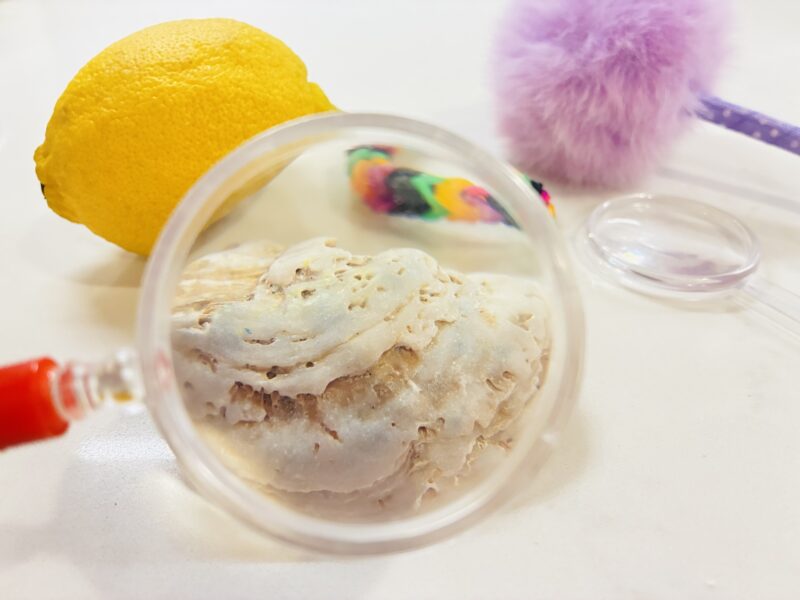
Take the sense of sight even deeper with magnifying glasses. Show kids the tiny details their eyes can see with that bit of extra help. Be sure to have lots of interesting objects on hand for your students to examine.
15. Decide which flower smells the best
Instead of having a taste test, have a smell test. Collect a variety of flowers and let kids use their sense of smell to decide which one smells the best. You can try this with all sorts of items, like candles, essential oils, fruits, etc., and remind kids that sometimes there’s no one right answer!
16. Write scratch-and-sniff names
On a stiff piece of paper, write each child’s name using a bottle of glue to form each letter. While the glue is still wet, sprinkle the letters with Jell-O powder. When the names dry, kids will not only be able to feel the texture, they’ll be able to sniff the scent! Let them share with friends and see if they can detect different flavors of Jell-O.
17. Sniff mystery scents
Add a few drops of different essential oils to cotton balls and drop them into spice jars. Ask kids to sniff them without looking, and see if they can identify the smells.
18. Go on a scent hunt
Turn your classroom (or home) into a smell safari! Set out a few “scent stations” using safe, familiar items like cinnamon, coffee grounds, orange peels, vanilla extract, mint, or a dryer sheet, each in its own cup or jar with a lid. Give students a simple recording sheet and have them rotate, sniff, and write what they think each scent is, plus a quick note about whether they liked it and what it reminded them of.
19. Learn how sounds help you make decisions
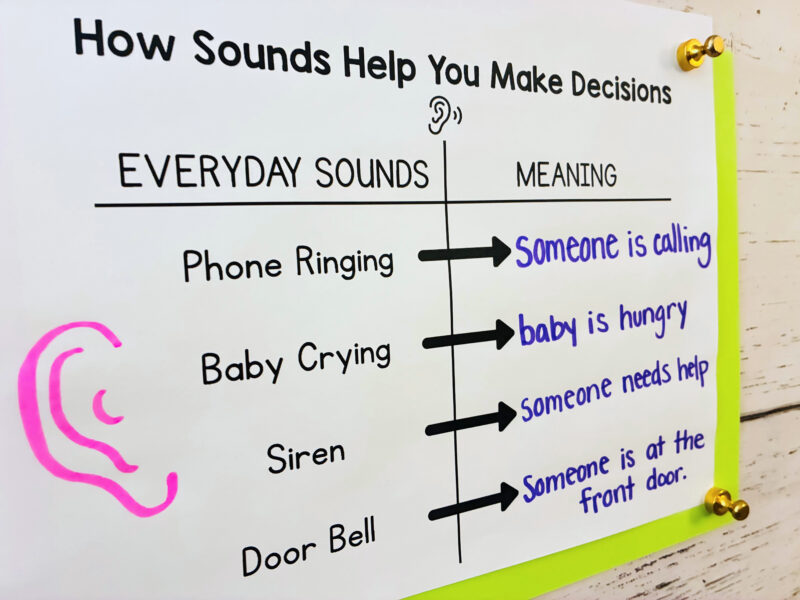
This is a cool activity to help kids understand that while our five senses collect information, it’s our brain that helps us interpret information and make decisions. Create a T-chart, and on the left side write down common everyday sounds such as a phone ringing, a baby crying, a siren, etc. Then ask students to help you fill in the right side by telling you what each of the sounds means: Phone ringing = someone is calling. Baby crying = baby is hungry. Siren = someone is in trouble. This activity can actually be used for all of the senses by using different prompts.
20. Test your sense of taste with jelly beans
Looking for five senses activities for students with a sweet tooth? Jelly Belly jelly beans are known for their true-to-life flavors, which makes them perfect for a blind taste test. Make it even more interesting by adding some Bertie Bott’s Every Flavour Beans into the mix!
21. Stroll down a sensory walk
Fill up a series of plastic tubs with different items like beads, sand, shaving cream, water, and more. Next, line the bins up and have kids line up, single file, and take a walk through the bins, one at a time, experiencing all the different sensations.
22. Build a texture board
Ask your students to help you create a texture board. Have a number of fabrics, papers, and materials that have different textures on hand. Pass one sample around and ask students to give you a word that describes how it feels. For instance, sandpaper = rough, bubble wrap = bumpy, aluminum foil = smooth, velvet = soft, cotton ball = fuzzy. Attach each item to a piece of plywood and label them with the best description. Keep the board on hand and allow students to explore on their own during center time or free time.
23. Do an apple taste test
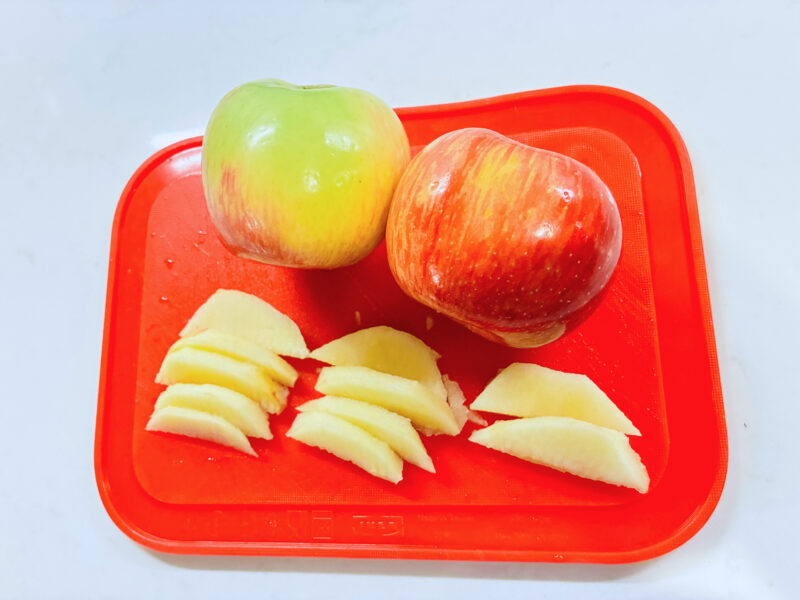
Our sense of taste is more subtle than kids might realize. It’s easy for them to recognize the taste of an apple, but they’ll be surprised to discover they can actually tell different kinds of apples apart too. Simply cut a few different kinds of apples—for example, McIntosh, Gala, Fuji, Granny Smith—into thin slices and let each student do their own test taste. Take a poll and create a graph to see which apple is the class favorite.
24. Make a water xylophone
What a lovely sound a xylophone makes! Did you know you can make your own DIY version? Simply fill up a few jars with different amounts of water. Then, using a wood dowel, strike the rim of each jar gently to hear a different sound. This is a fun activity to have available as part of a five senses center.
25. Make mystery touch boxes
Turn empty tissue boxes into mystery boxes. Drop a different item into each box, each with a different texture and size, and ask kids to reach in and identify what each item is using only their sense of touch (no peeking!).
26. Make and use whisper phones
We can hear what our voices sound like to ourselves, but what do they sound like to other people? Let your kids find out with this fun activity. Put together whisper phones using PVC pipes (one straight pipe and two elbow pipes per phone). Put them in a basket in the reading area and have students read stories to themselves, either by reading the words or reading the pictures.
27. Use tasting bottles
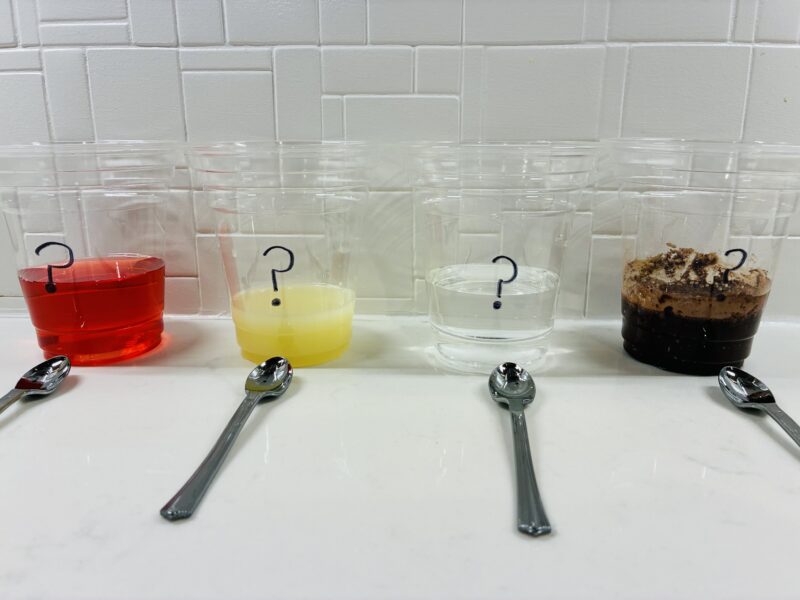
Use little bottles (or cups) with droppers to create taste bottles. Fill each bottle with a different flavor. Some ideas:
- Sugar water or juice (sweet)
- Salt water (salty)
- Lemon or lime in water (sour)
- Cocoa powder dissolved in water (bitter)
Have students put a drop of each on their tongue (or on a spoon to taste) and record which taste they experience.
28. Peg the sense
This matching activity could be good practice for centers or it could also serve as an assessment that students can complete on their own. Prepare cards by drawing an item such as a violin, a fire truck, an ice cream cone, etc., on each card. At the bottom of each card, draw a picture of each of the five senses. Students will look at the picture, then secure a clothespin to the sense they would experience with what’s pictured. For example, at the bottom of the fire truck drawing, they may pin the ear because you hear the siren.
29. Learn what it’s like to live without a sense
Once students have a feel for the five senses, teach them about how people who are blind or deaf use their other senses to compensate. Show students what a braille book looks and feels like and explain that people who cannot see can read books with their fingers. (Public libraries often have collections of braille books to check out.) To experience deafness, have kids put on noise-cancelling headphones and watch a subtitled video. This is a good time to read about Helen Keller, who was both blind and deaf, and how she learned language through touch and smell.
30. Sing songs about the five senses
If you’re looking for activities to teach the five sentences that include music and movement, try adding a five senses song to morning meeting to reinforce the vocabulary. There are many great videos on YouTube, including some by Jack Hartmann and Silly School Songs.
31. Read books about the five senses
Read-alouds are perfect activities to teach kids about the five senses. Picture books show students all the ways they use their senses, including some silly ways!
32. Create a flip-book
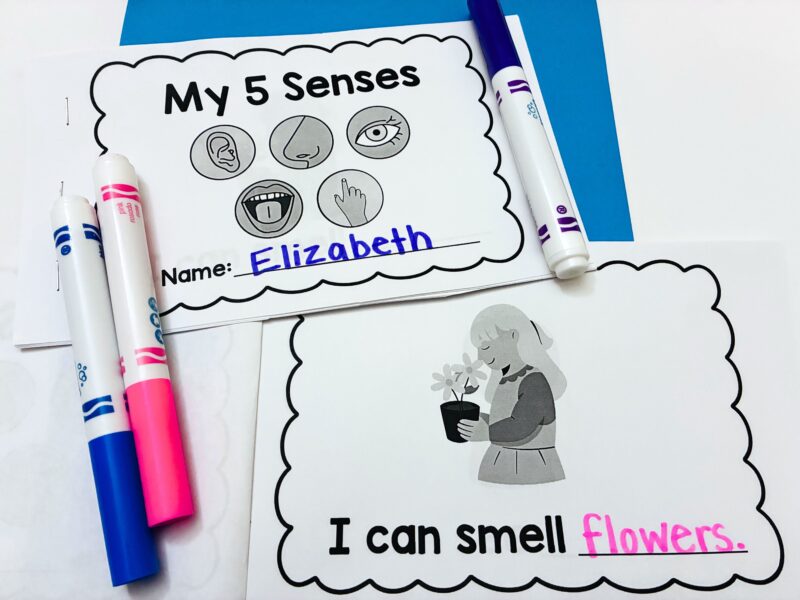
A flip-book combines images and words to give students a reference to prompt vocabulary as they’re working on other five senses activities.
33. Make sound shakers
Collect dry, clean used frozen juice containers. Attach a strip of colorful construction paper around each and fill them with different objects, such as beans, pebbles, jingle bells, etc. Tape up both ends with masking tape and let kids add decorations. Have a little jam session with the shakers or let students try each one and guess what object is inside.
34. Play I Spy
Kids love this classic search-and-find game. Spot an object in the room and give students a hint, such as “I spy with my little eye … something red and blue.” Have students raise their hands, and pick a student to make a guess. If they get it right, move on to the next I Spy. If they get it wrong, allow another student to take a shot. Continue for several rounds, then allow students to pair up with a friend and find a version of their own.
35. Fill a sensory bin
Fill a sensory bin with rice, beans, water beads, or sand. Add scoops, cups, and hidden toys for tactile and visual exploration. Also fun for little ones are water tables filled with various sensory items.